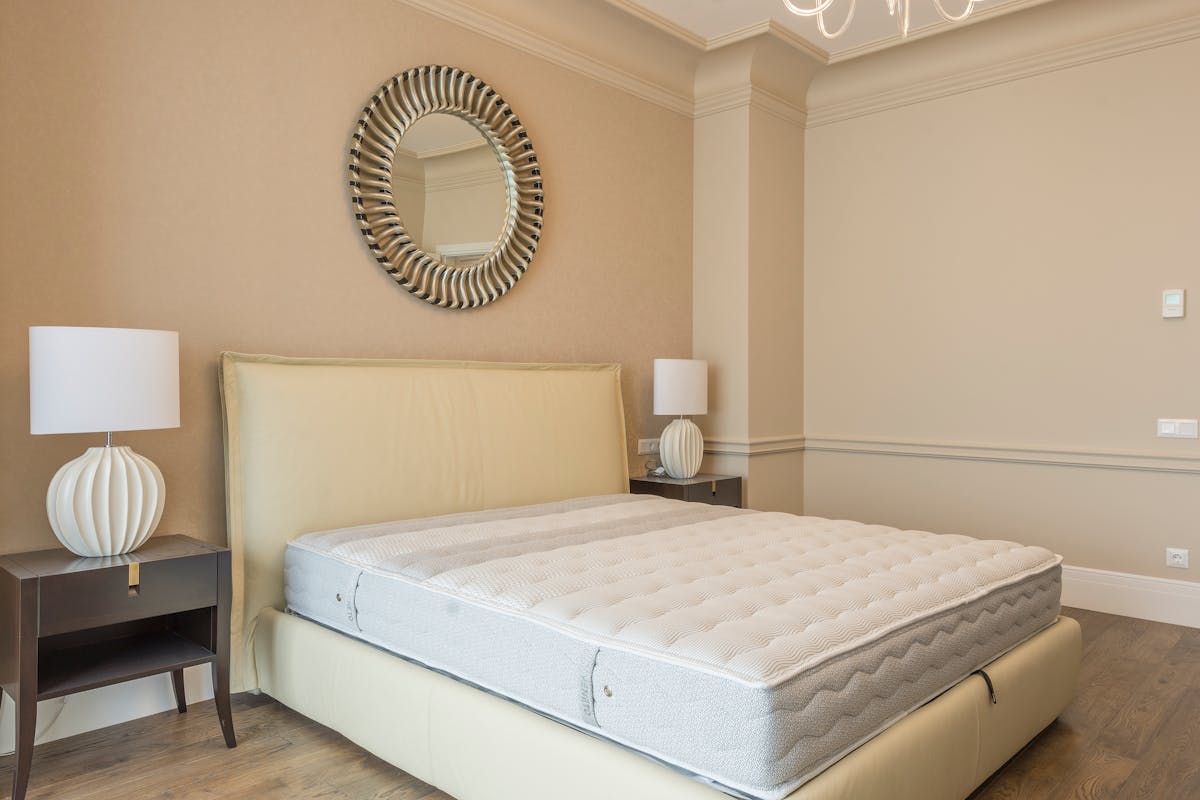
Bed bugs are one of the most stubborn pests in New York City, and they spread fast through the shared walls, hallways and laundry rooms of apartment buildings and brownstones. A single fertilised female can start a new infestation, which is why DIY sprays almost always fail — they scatter bugs into wall voids and adjacent units instead of killing the population.
Our bed bug programme starts with a full inspection (visual and, where needed, canine detection) to map every harbourage point: mattress seams, box springs, headboards, baseboards, outlets and furniture joints. We then treat with a combination of residual products and, for heavy infestations, whole-room heat that raises the space above the lethal threshold for eggs and adults alike.
Because New York law requires landlords to disclose a building's bed bug history, getting documented, professional treatment matters for tenants and owners. We provide clear documentation of the work performed and a return inspection to confirm the infestation is gone.
What should New Yorkers know before booking bed bug treatment?
New York City requires building owners to disclose a unit's bed bug infestation history to incoming tenants and to file an annual bedbug report — so documented, professional treatment protects tenants and owners alike. (NYC Housing Preservation & Development)
Heat kills bed bugs at every life stage: the US EPA notes steam must reach at least 130°F (54°C) to be effective — the same lethal-temperature principle professional whole-room heat treatments rely on, which is why they can clear an infestation eggs included in a single visit. (US EPA — bed bug control)
The common bed bug (Cimex lectularius) spreads through shared walls, second-hand furniture and luggage rather than dirt or poor hygiene — which is why infestations in well-kept NYC apartments are routine, and why treating a single room rarely ends a building-level problem. (Cimex lectularius — Wikipedia)
Heat treatment vs conventional insecticide — which is right for your apartment?
| Whole-room heat | Conventional insecticide | |
|---|---|---|
| Kills eggs on first visit | Yes — heat is lethal to all life stages | No — follow-up visits target newly hatched bugs |
| Typical visits required | Usually one full-day treatment | Two to three visits, 10–14 days apart |
| Preparation burden | Heat-sensitive items removed; most belongings stay | Laundering, bagging and decluttering required |
| Best suited to | Heavy or building-spread infestations | Light, early-caught infestations |
| Residual protection | None once the room cools | Residual products keep working between visits |
Before you call: what a bed bug problem really means
- Bed bugs are not a sign of a dirty home — they hitchhike in on luggage, second-hand furniture and through shared walls, and turn up in five-star hotels and spotless apartments alike. Delaying out of embarrassment only gives the infestation time to grow.
- Bites alone are not proof — many people don't react to them at all. The reliable signs are live bugs in mattress seams, rust-coloured spots on bedding, and pale shed skins.
- One visit is rarely the whole job, and that's biology, not an upsell. Bed bugs hide in cracks that are hard to reach and insecticides don't reliably kill eggs, so a follow-up inspection is standard practice — heat-treatment survivors are common at floor-wall junctions, and chemical programs run over two to three visits tied to the egg-hatch cycle.
- DIY store sprays usually make it worse: they scatter bed bugs into new rooms without killing the eggs, so the problem comes back larger and costlier to treat.
What bed bug treatment costs in NYC
Bed bug treatment is priced by the size of the space, how far the infestation has spread, and the method used — not a flat fee. These are typical NYC ranges to set expectations; your exact price is confirmed after a free inspection.
| Treatment | Typical range | What to expect |
|---|---|---|
| Chemical treatment (typical apartment) | $900 – $2,400 | Usually 2–3 visits over 3–6 weeks, timed to the egg-hatch cycle. |
| Heat treatment (whole apartment) | $1,500 – $4,000 | Often a single session; higher upfront but no return visits. |
| Single room / studio | from ~$300 – $600 | Smaller, contained jobs sit at the lower end. |
Our guarantee. We back our bed bug treatment with a re-treatment guarantee — conditions apply (including completing the recommended preparation and follow-up visits). Your technician confirms the exact terms during the inspection.
Ranges are typical NYC market figures for guidance only. The cheapest first visit is not always the cheapest overall — a single heat session can total less than several chemical visits. Your quote is confirmed at a free inspection.
Signs you have a bed bug control problem
- Itchy bites in a line or cluster, often on arms, shoulders or legs after sleeping
- Small rust-coloured or dark spots on sheets, mattress seams or the headboard
- Tiny pale eggs or translucent shed skins along seams and crevices
- A faint, sweet, musty odour in heavily infested rooms
- Live bugs (apple-seed sized, flat, reddish-brown) in mattress seams or behind the headboard
Why Washington Heights sees this
Pre-war buildings and brownstones have deep baseboard gaps and shared voids that let bed bugs travel between units — we treat with the whole building in mind, not just one room.
We provide documentation that satisfies NYC landlord disclosure obligations and co-op/condo board requirements.