Skip to content
Mon–Fri & Sun: 8am–6pm · Closed Saturday
ES
Washington Heights Pest Control Licensed NYC Exterminators

Cockroach & Water Bug Control in Washington Heights

Last updated: 10/06/2026

German cockroaches dominate Washington Heights' older pre-war kitchens, and the interconnected basements and shared walls of this building stock let them move unit to unit the same way rodents do — gel baiting your kitchen without addressing the shared infrastructure just means they come back from next door.

German cockroachesAmerican cockroaches / water bugsOriental roachesGel baitingCrack & crevice treatment

Get Your Free Quote

Or call now: (332) 286-0630

Licensed
& insured NY exterminators
4.9★
332 Google reviews
All 5 Boroughs
Neighbourhood-level NYC coverage
Guaranteed
We return until it's resolved
NY DEC License 15739

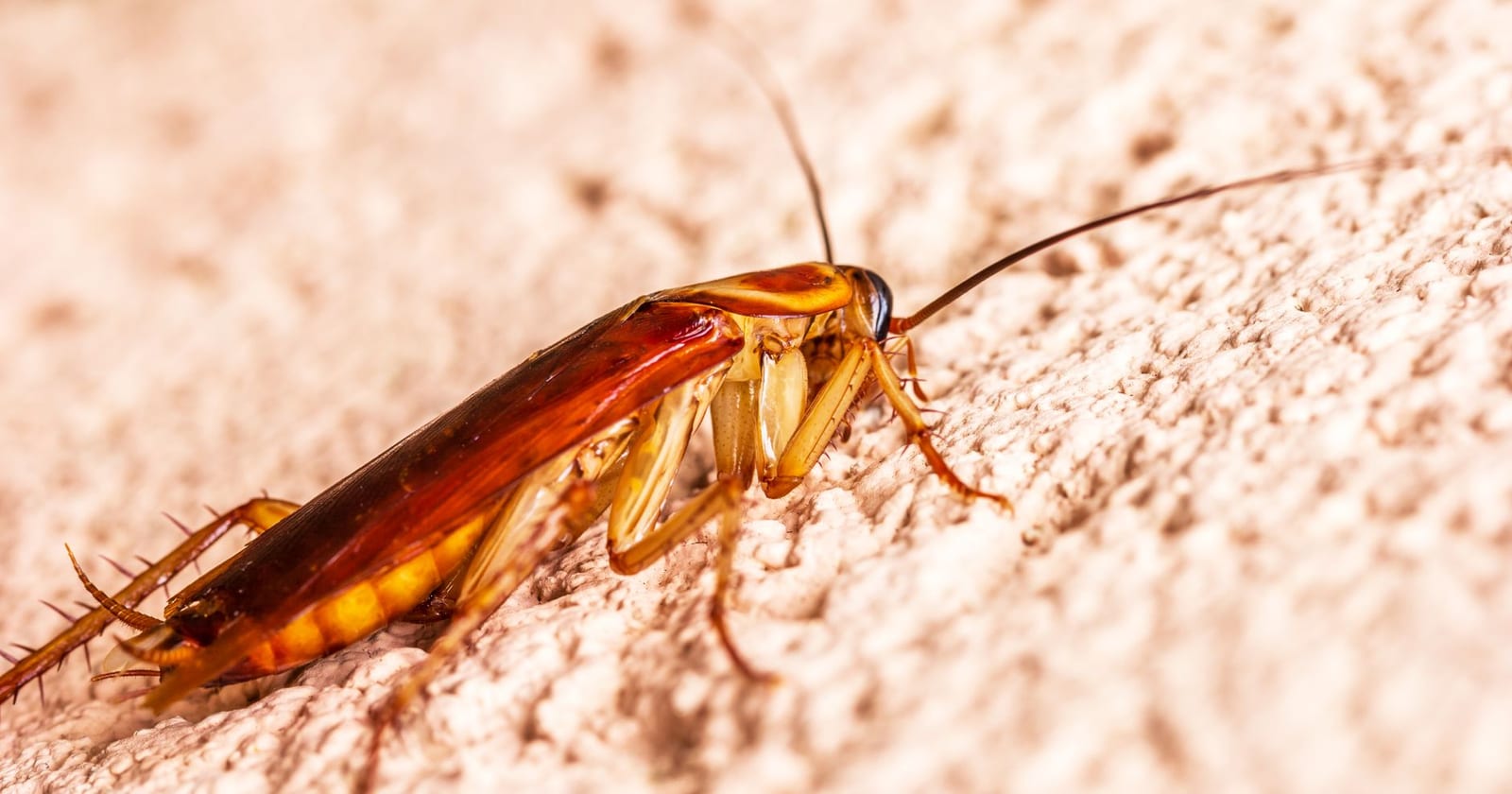
The German cockroach is the volume driver in Washington Heights' housing stock — small, fast-breeding, and tied tightly to the kitchens and bathrooms of the neighbourhood's pre-war apartment buildings. High residential density along Broadway and St. Nicholas Avenue keeps pressure steady in older kitchens where cracks, cabinet voids, and appliance gaps give a population everything it needs.

What makes this different from a detached house is the shared wall. Pre-war apartment construction here means plumbing chases, wall voids, and basement service areas run between adjoining units and sometimes adjoining buildings — a German cockroach population doesn't need to reinvent itself in the apartment next door, it just moves through the same voids rodents use.

That means a single-unit gel-bait treatment can look successful for a few weeks and then relapse, not because the treatment failed but because an untreated neighbouring unit reseeded the population. We treat the harbourage in your unit and flag shared-wall and shared-basement conditions that need the whole building addressed.

Why do cockroaches keep coming back in NYC apartments, and what actually works?

The German cockroach is the species behind most New York apartment infestations, and its biology is why they explode: several nymphs emerge from each bean-shaped egg case — up to 40 for the German cockroach — and the University of Kentucky notes it is typically introduced in infested grocery bags, beverage cartons or second-hand furniture rather than crawling in from outside. (University of Kentucky Entomology — Cockroach Elimination in Homes and Apartments)

Many New Yorkers call any large basement roach a 'water bug,' but University of Minnesota Extension identifies that insect as the Oriental cockroach, which prefers dark, damp places like basements, cellars, crawl spaces and sewers and is often found near drains, leaky pipes and under sinks. Correctly identifying the species determines where treatment should be targeted. (University of Minnesota Extension — Cockroaches)

Cockroaches are a leading indoor asthma trigger: NYC Housing Preservation & Development lists cockroaches among the allergens that can cause asthma attacks or make asthma symptoms worse, and Local Law 55 of 2018 requires owners of buildings with three or more apartments to keep tenants' units free of pests and to safely fix the conditions causing them. (NYC HPD — Indoor Allergen Hazards (Mold and Pests))

For lasting control, the University of Kentucky reports most householders get better results from bait than from sprays — gel baits placed with a syringe are often the most effective option, and used correctly can rival professional extermination. It also warns not to spray cleaners or insecticides near bait, as that can discourage roaches from feeding on it. (University of Kentucky Entomology — Cockroach Elimination in Homes and Apartments)

Gel bait vs surface spray — which clears a roach infestation?

Gel bait (syringe)Aerosol / liquid spray
Reaches roaches in cracks and harborageYes — injected directly into hiding placesLimited — mostly treats exposed surfaces
Affects roaches that never touch itYes — secondary transfer via feces and sputumNo secondary effect
Risk of scattering the infestationLowA repellent contact spray can scatter roaches
Effectiveness for householders (per UKY)Often the most effective; can rival professional resultsLess effective unless harborage is precisely targeted

How much does cockroach & water bug control cost in NYC?

$120–$700

NYC one-time treatment: $150–$700 (most jobs ~$300). German cockroach: $200–$500. American/water bug: $150–$300. Monthly maintenance plan: $50–$100/month. National average (Bob Vila): $120–$160.

German cockroach $200–$500 one-time
American / water bug $150–$300 one-time
Monthly maintenance plan $50–$100 per month

Market range — not our quote

This is a market range synthesised from published cost guides — not a quote from this provider. The actual price depends on an in-person or photo-based inspection.

NYC-specific figures rely on tier-2 sources only; Bob Vila's tier-1 national figure ($120–$160) sits well below the NYC-claimed range — consistent with a genuine NYC premium but not independently verified at that magnitude.

What drives the price

  • Species (German roaches cost more — faster reproduction, hide in appliances/cabinet voids)
  • Single unit vs building-wide program (co-ops/condos: $500–$2,000+)
  • One-time vs recurring monthly plan
  • Shared-plumbing-riser buildings (NYC pre-war stock) spreading infestation building-wide
Get an exact quote

Signs you have a cockroach control problem

  • Live roaches in kitchen cabinets or behind appliances, especially after dark
  • Dark, pepper-like droppings in cabinet corners or drawer tracks
  • A population that drops after treatment then returns within weeks — often a sign of an untreated adjoining unit
  • Egg cases tucked into cabinet hinges, appliance motor housings, or behind baseboards
  • Activity concentrated near a shared wall, riser, or the apartment above or below

Why Washington Heights sees this

Washington Heights' high-density, pre-war apartment stock along the Broadway and St. Nicholas Avenue spine sustains steady German cockroach pressure in older kitchens.

Interconnected basements and shared service areas in this building type let cockroach populations move between units the same way rodents do, which is why single-apartment treatment sometimes relapses.

NYC Health Code cockroach-harbourage obligations apply to landlords across shared building infrastructure, not just individual units.

Simple, transparent process

Our Cockroach & Water Bug Control Process

  1. 1

    Harbourage inspection

    We check cabinet voids, appliance housings, and the walls shared with adjoining units — the actual travel points in this pre-war stock.

  2. 2

    Gel baiting

    Precise placement in cracks and crevices collapses the population at the source, without the spray that just scatters roaches into the next apartment.

  3. 3

    IGR application

    Insect growth regulator disrupts reproduction, which matters given how fast German cockroach populations rebuild.

  4. 4

    Shared-wall documentation

    Where a neighbouring unit or the building's common areas look like the real source, we note it in writing for your landlord or management company.

  5. 5

    Follow-up in 2–3 weeks

    A return visit confirms the population has actually dropped, not just gone quiet temporarily.

Cockroach & Water Bug Control — FAQs

How much does cockroach control cost in NYC?

Market rates for cockroach control in NYC typically run $120–$700, based on published cost guides (not this provider's quote). NYC one-time treatment: $150–$700 (most jobs ~$300). German cockroach: $200–$500. American/water bug: $150–$300. Monthly maintenance plan: $50–$100/month. National average (Bob Vila): $120–$160. Actual price depends on an in-person or photo-based inspection.

Why do the roaches keep coming back after I treated my kitchen?

In Washington Heights' pre-war buildings, German cockroaches travel through shared walls and basement voids between units — if a neighbouring apartment or the building's common areas aren't also treated, the population can reseed your kitchen within weeks.

Should I use spray or bait?

Gel bait placed in cracks and crevices is the standard approach — spray scatters the population into cabinet voids and neighbouring units rather than eliminating it, which matters especially in shared-wall pre-war construction.

Is this a building problem or just my apartment?

Often both. We treat your unit's harbourage directly and document shared-wall or shared-basement conditions in writing if the source looks building-wide, which is common in this housing stock.

Need cockroach control in Washington Heights?

Licensed, insured, local NYC exterminators. Call to schedule.

Call Now Free Quote